
Box Sets & Bundles: The “One vs. Many” ISBN Rule
Congratulations! You’ve successfully published a series of books. Now, you want to maximize your revenue by bundling them together into a "box set" or omnibus edition for your readers.
This leads to one of the most common questions we receive from prolific authors: "Do I need to buy a new ISBN for my box set, or can I just use the ISBN from Book #1?"
It’s tempting to reuse an existing number to save money or time, but doing so is a critical mistake that can get your books rejected by retailers like Amazon, Barnes & Noble, and physical bookstores.
Here is the definitive guide on how to handle ISBNs for multi-book collections.
The Golden Rule of ISBNs: Distinct Product = New ISBN
The fundamental rule of publishing is simple: Every distinct product needs its own unique identifier.
To a retailer’s inventory system, a single paperback of Book 1 and a three-book paperback box set are completely different products.
- They have different titles (e.g., "The Falls Trilogy").
- They have different prices ($14.99 vs. $39.99).
- They have different physical weights and dimensions for shipping.
If you tried to use the ISBN from Book 1 on the box set, a bookstore might scan the $40 box set at the register, and it would ring up as the $15 single book. This messes up inventory and costs you money.
The takeaway: Yes, if you create a new box set or bundle, you must purchase and assign a brand new ISBN number specifically for that collection.
Visualizing the Physical Box Set Scenario
This is where many authors get confused. If you are selling a physical cardboard slipcase containing three paperbacks, where do the barcodes go?
1. The Individual Books Inside the Box
The individual books inside the slipcase should retain their original, unique ISBNs. You do not need to reprint the inside books with new codes just because they are placed inside a box.
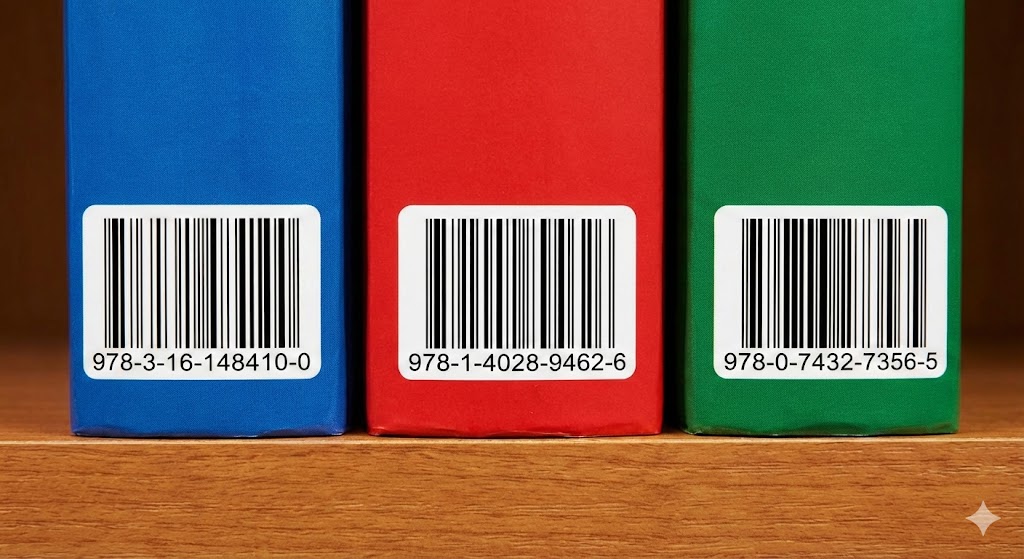
Each individual book keeps its original ISBN.
2. The Outer Slipcase (The Box)
The cardboard box itself is the "product" being sold. Therefore, the new, unique ISBN for the collection must be printed on the back of the outer cardboard box.
When a retailer receives the shipment or scans it at checkout, they scan only the outer box barcode. They do not open the box to scan the books inside.
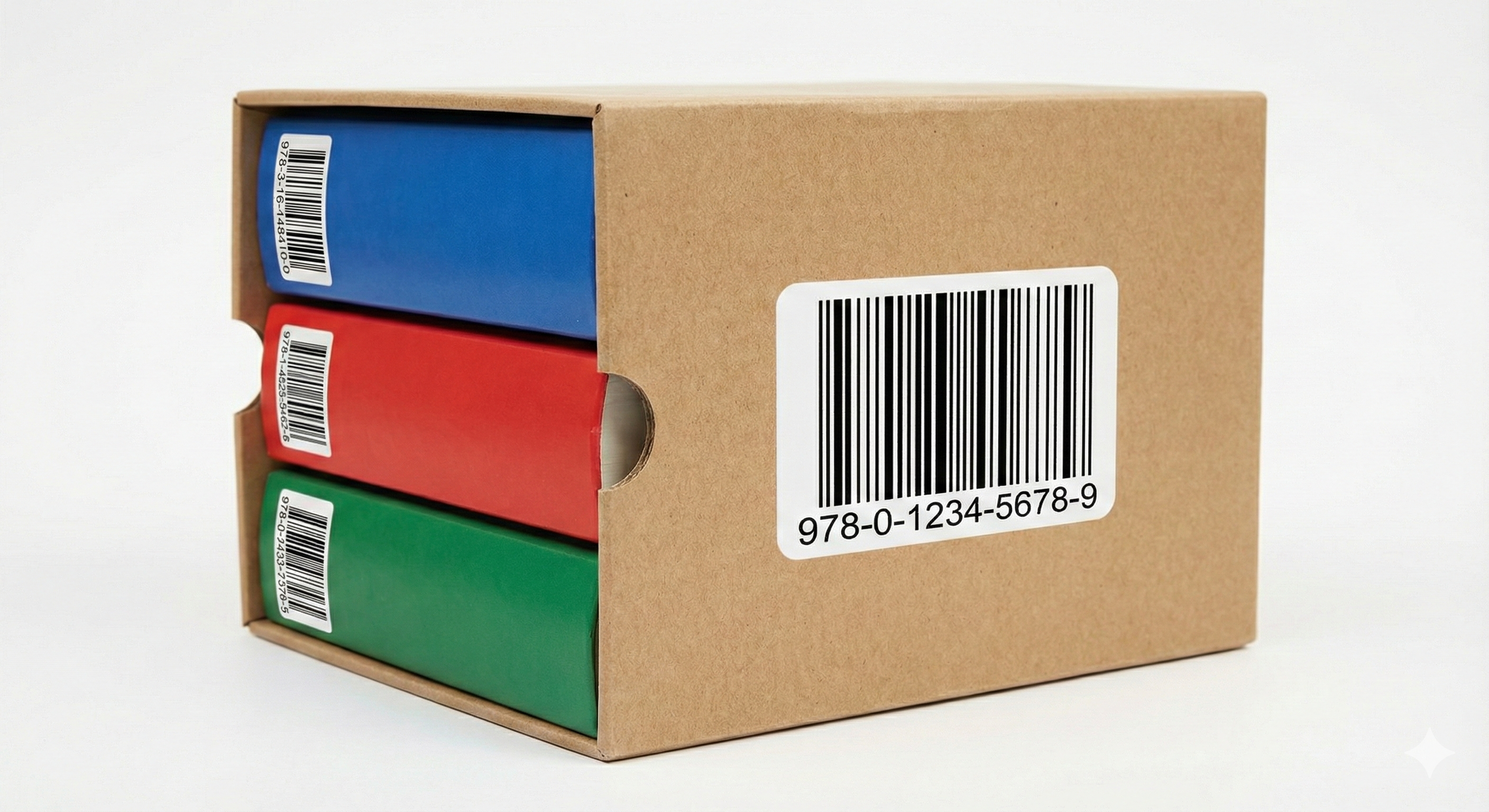
The outer box gets the new, unique collection ISBN.
What About Digital "Box Sets" (eBooks)?
The rule remains the same. An eBook omnibus (a single digital file containing multiple novels) is a unique product with a unique price and word count.
While some platforms like Amazon KDP don’t strictly require ISBNs for eBooks, if you are distributing "wide" to platforms like Draft2Digital, Apple Books, Kobo, or Overdrive (for libraries), they highly recommend or require a unique ISBN for that digital bundle to ensure proper sales tracking and library cataloging.
Summary Checklist for Series
- Book 1 Paperback: Needs unique ISBN A.
- Book 2 Paperback: Needs unique ISBN B.
- Book 3 Paperback: Needs unique ISBN C.
- The Paperbox Box Set (containing 1, 2, & 3): Needs unique ISBN D printed on the box.
Planning a Series? Buy in Bulk.
If you know you are writing a series and plan to release hardcover, paperback, eBook, and eventually a box set version of each, you will burn through single ISBNs quickly. It is almost always more cost-effective to purchase a block of ISBNs upfront.
Need ISBNs for your upcoming series or box set?
View ISBN Packages »